
Warno
Date:
Time: 1800 hrs (Evening)
Weather: Clear skies, good visibility
Situation:
CSAT Russian forces have completely withdrawn from Haavisto, leaving a power vacuum that NAPA insurgents are eager to exploit. With CSAT’s protective presence gone, it is now the 17th Ranger Battalion and 74th Special Forces Group’s opportunity to strike. Intelligence indicates that NAPA may be consolidating weapons, equipment, and supplies in Haavisto, using the town as a hub for regional operations.
Credible reporting confirms Maksim Antonov, the “King of Diamonds”, is operating in the area. His capture or elimination is a high-priority objective to disrupt insurgent command and control.
Enemy Forces
OPFOR: NAPA insurgents, possible CSAT Russian advisors
Enemy Capabilities: Unknown strength; likely irregular infantry with limited mobility
Enemy Equipment: Primarily Soviet-era small arms and vehicles; limited quantities of modern Russian gear
Friendly Forces
BLUFOR: 17th Ranger Battalion, 74th Special Forces Group (PSI), 9th Air Commando Group, NATO
Civilian Considerations:
Mission:
17th Ranger Battalion, 74th Special Forces Group (PSI), supported by 9th Air Commando Group and NATO assets, will conduct an evening raid to investigate Haavisto and deny NAPA access to any weapons, equipment, supplies, or structures being used for nefarious purposes. This includes destruction of stockpiles, seizure of critical materiel, and neutralization of key insurgent personnel.
Execution:
Capture or eliminate Maksim Antonov if present.
Mission AO and relevant imagery:
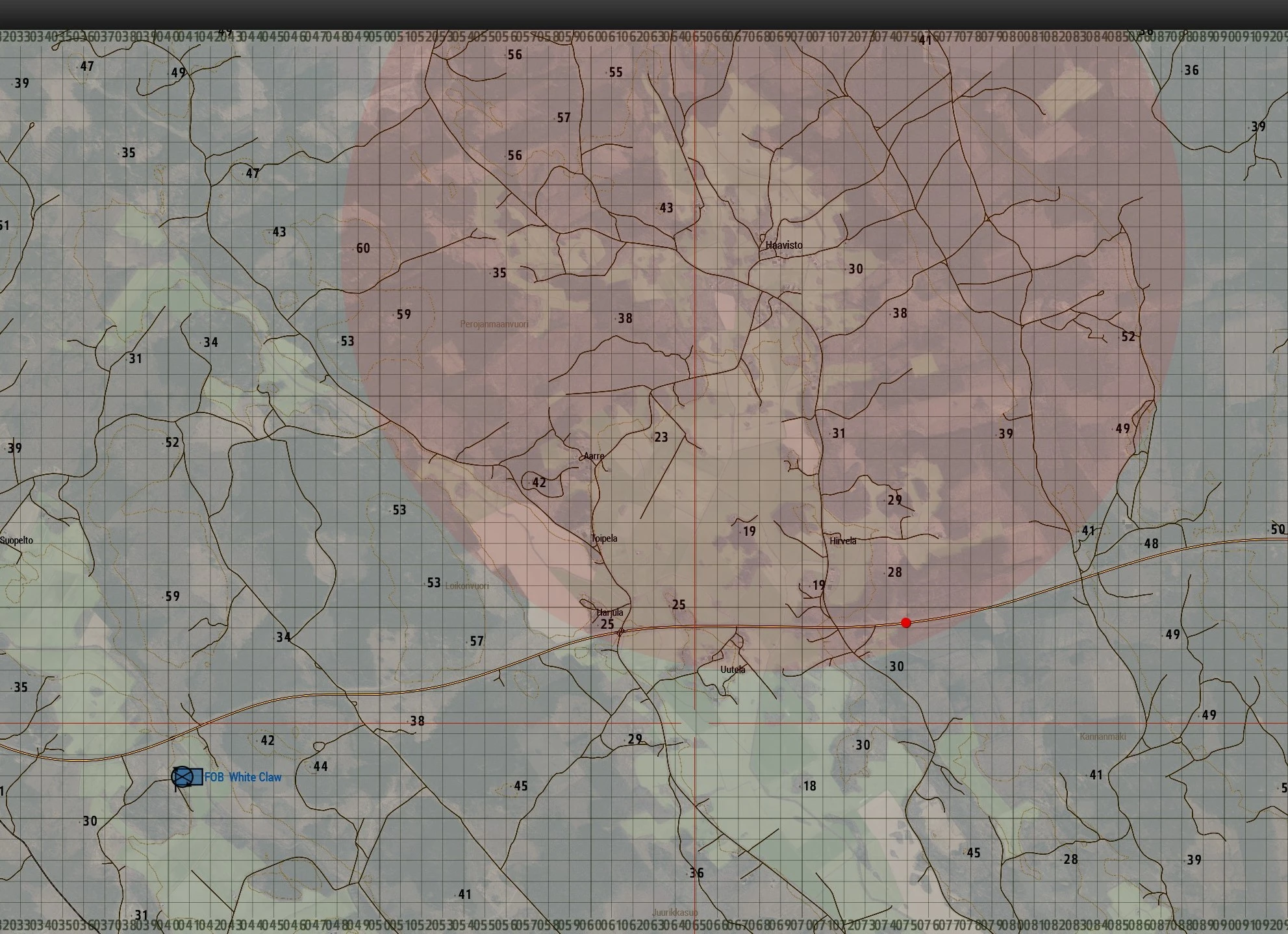
Objectives:
-Conduct Evening Raid
Available-Deny Assets:NAPA Ground
access to weapons and equipment
-Capture or
Maksim Antonov Naval
if
Airframes
present
Changes
AFTER ACTION REPORT
SUMMARY
Operation Diamond Snare was executed with mixed results. Maksim Antonov – the “King of Diamonds” – has been permanently removed from the battlefield, delivering a decisive blow to the Vympel 322 Insurgent Network. His elimination not only disrupts their logistics chain but also removes one of their most capable supply and coordination leaders. In addition, two known Vympel 322 hideouts were located and destroyed during the operation, further fracturing the enemy’s operational stability. However, the mission came at a heavy cost: numerous civilian casualties occurred during the fighting, raising serious concerns about local support and the long-term impact on NATO’s credibility in the region.
IMPACT
The success of this mission has created a logistical nightmare for both CSAT Russia and Vympel 322. Without Antonov’s oversight, established supply routes and distribution hubs have been thrown into disarray. Several key stockpiles in Haavisto were destroyed or seized, cutting off vital ammunition, fuel, and communications equipment. The elimination of two hideouts stripped insurgents of safe havens, forcing them into the open and degrading their ability to regroup effectively. Yet, the collateral damage inflicted on civilians has complicated the operational picture. The local population—already fearful and mistrustful—now views NATO’s presence with greater suspicion, creating fertile ground for insurgent propaganda and recruitment.
STRATEGIC OUTLOOK
This operation serves as both a warning and a lesson. While it demonstrated that NATO forces can beand requestedwill fromtarget Unitsthe leadsmost valuable assets of Vympel 322, it also revealed the delicate balance between decisive military action and HHC.maintaining civilian trust. Going forward, operations in Virolahti must account for the civilian dimension of the conflict—as without local support, sustaining momentum against the insurgency will become increasingly difficult. The insurgents’ logistical tempo has been severely reduced, giving friendly forces a crucial window to press the advantage, but success will now depend on rebuilding credibility with the population while continuing to destabilize Vympel 322’s operations.
Ground
access to weapons and equipment- or